
Seasonal living
Warming the Body as the Light Shortens
The light leaves earlier now. In Buffalo the wind comes off the lake, the leaves are down, and most of us feel the change somewhere: drier skin, a busier mind, sleep that comes and goes, hands and feet that won’t warm up.
What Āyurveda sees in this season
Late autumn into early winter is Vāta season. Vāta is the energy of air and space, and its qualities are cold, dry, light, rough and always moving. When the world outside takes on those qualities, they gather inside us too.
Āyurveda works with one simple principle: like increases like, and opposites bring balance. So the medicine for a windy, cold, scattered season is its opposite: warmth, moisture, weight, steadiness and rhythm.
This year asks for a little extra care. Our weather has been unusual, swinging from warm to cool and from sun to clouds in a matter of minutes. Change itself is Vāta’s nature, so when the days can’t settle, our inner clock can’t either. Vāta becomes easily aggravated, and we feel it as restlessness, dryness, poor sleep and tension. The more unpredictable it is outside, the more steady we need to be inside.
Six simple rituals for the dark months
1. Eat warm, cooked and a little oily
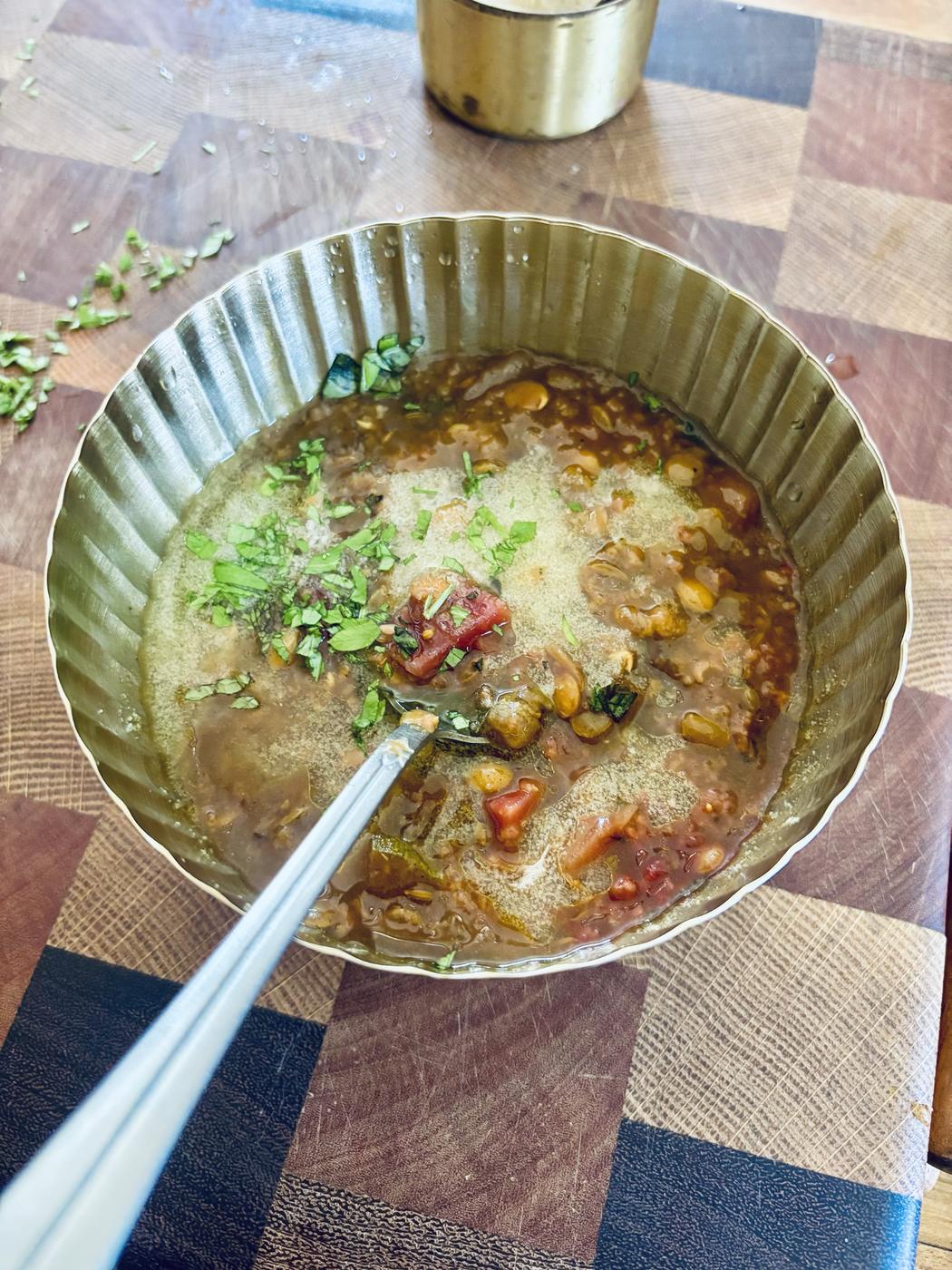
Soups, stews, khichadi and roasted root vegetables. On the first truly cold night of the year, I make a big pot of khichadi, mung dal and rice simmered with ghee and warming spices. It is the simplest, most comforting meal I know, and it tells my body the season has turned. Set the raw salads and iced drinks aside until spring. Lean into the sweet, sour and salty tastes, the three that ground Vāta: squash and sweet potato, a squeeze of lemon, good salt.
2. Let ghee be your friend
A spoonful over rice or vegetables, or stirred into warm milk at night. Ghee carries warmth and moisture deep into the tissues, which is exactly what dry, Vāta-heavy bodies ask for.
3. Oil your body before you shower
This is Abhyaṅga, self-oiling, and if you take on only one ritual this winter, take this one. Warm a few spoonfuls of sesame oil by setting the bottle in a cup of hot water. Apply it from your scalp to the soles of your feet, with long strokes along the arms and legs and slow circles at the joints. Rest for 10 to 15 minutes, then take a warm shower. Your skin softens, and your nervous system settles.
4. Keep a steady rhythm
Vāta loves routine. Wake, eat and sleep at about the same times each day. Make lunch your largest meal, when digestion is strongest. Aim to be in bed by ten. Small, steady patterns do more than big efforts.
5. Wrap yourself the way my grandmother did
My grandmother always had a soft pair of socks on, soft, warm clothes, and blankets everywhere, especially throw blankets over every chair. She didn’t call it Āyurveda, but she knew. Cover your feet, your neck and your lower back, where Vāta enters most easily. Keep a throw within reach. Autumn is a season made for snuggling in.
6. Sip something warm all day
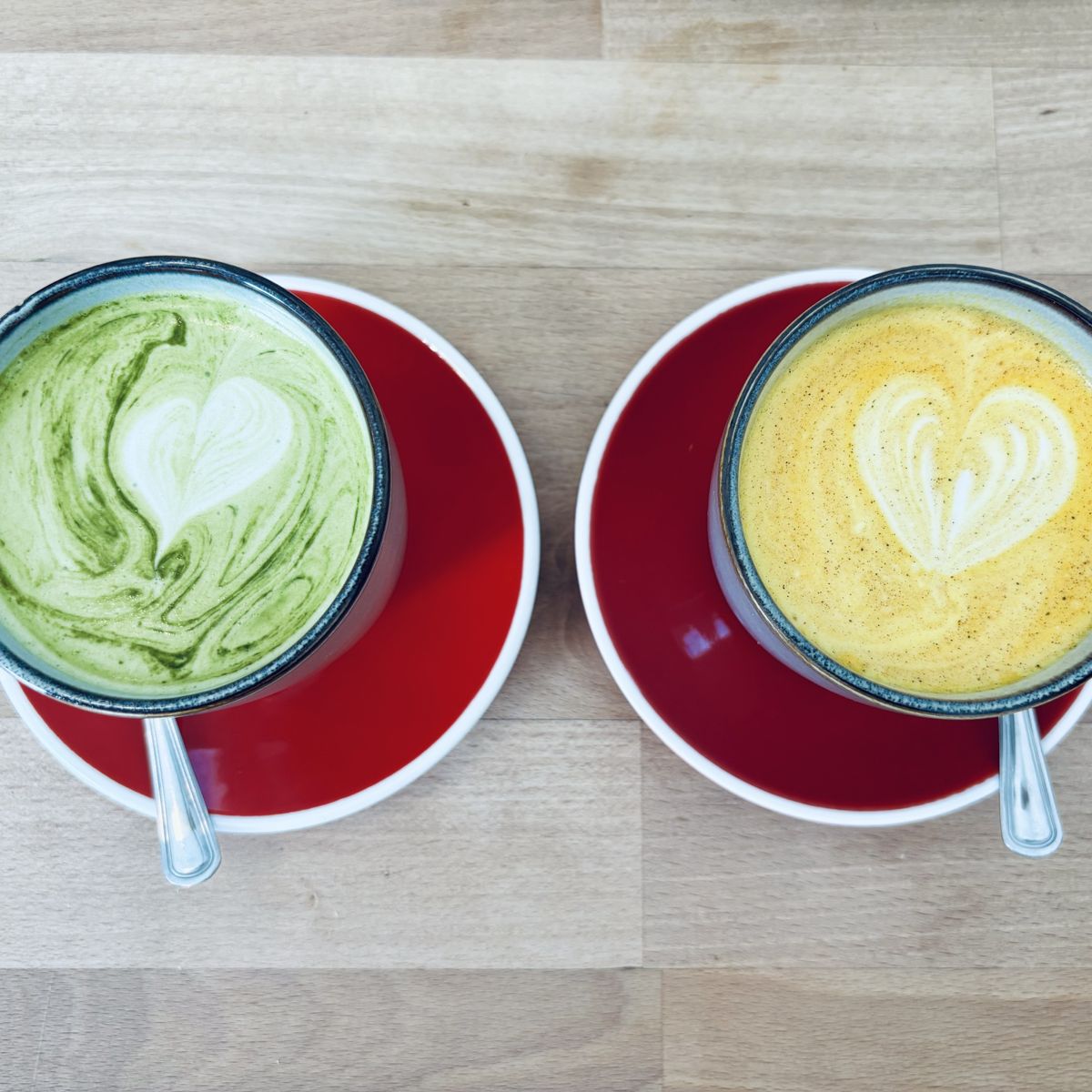
Hot water or ginger tea through the day. In the evening, golden milk.
From my kitchen
Golden milk for winter evenings
- 1 cup whole milk or oat milk
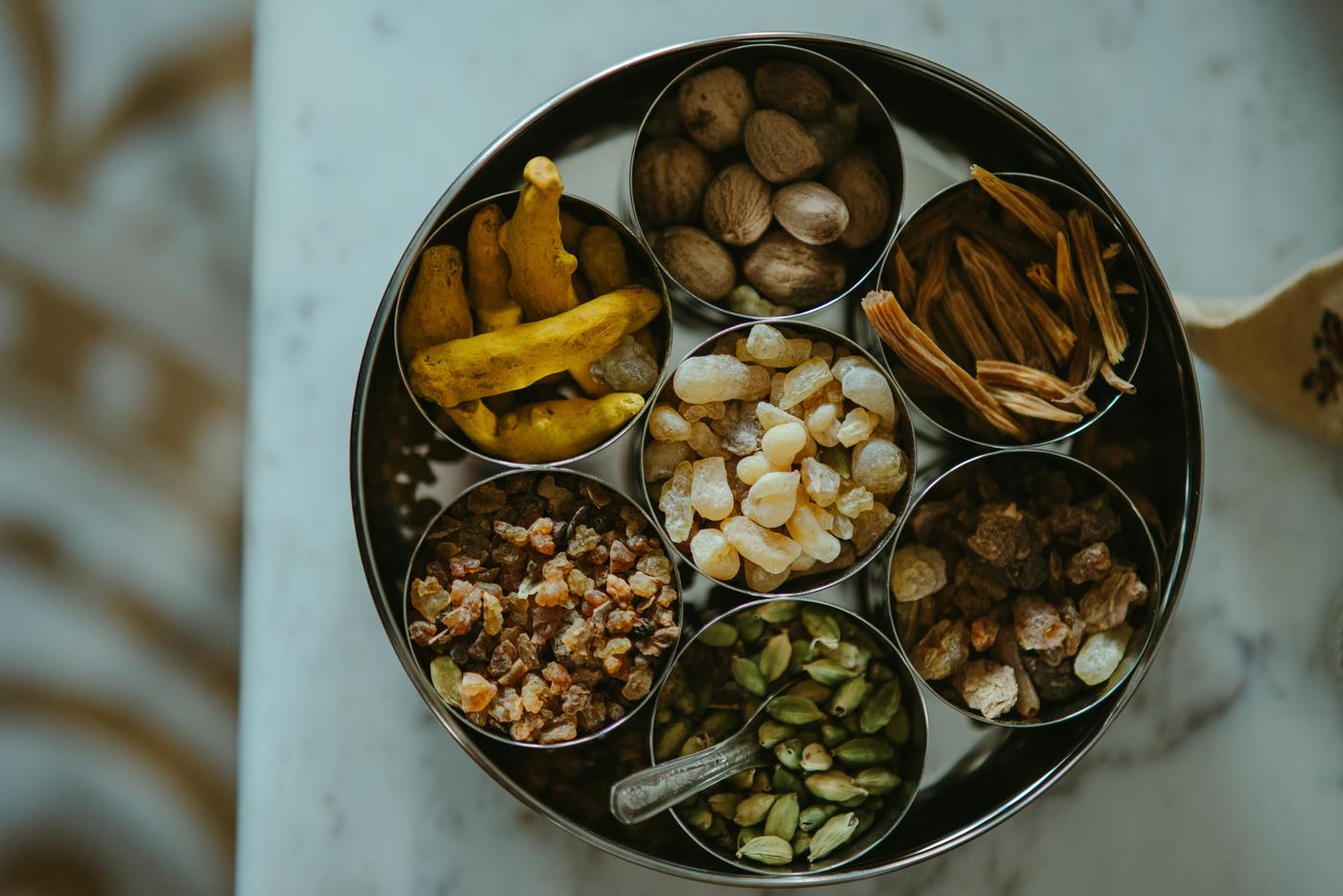
- ½ teaspoon ground turmeric
- ¼ teaspoon cinnamon
- A thin slice of fresh ginger
- A pinch of black pepper
- 1 teaspoon ghee
- Maple syrup or jaggery to taste
- Warm everything except the sweetener in a small pot for about five minutes, whisking now and then. Don’t let it boil.
- Take it off the heat, strain out the ginger, and sweeten.
- If you prefer honey, add it only once the milk has cooled to drinking warmth. Āyurveda teaches that honey should never be heated.
The inner season
Winter is also an invitation inward. In the Tantric view, darkness isn’t something to fix. It is where seeds rest before they rise. The urge to slow down, stay home and go to bed early isn’t laziness. It’s the body’s intelligence, in rhythm with the season.

So light a candle. Make the khichadi. Put on your softest socks. Oil your skin. Let the evenings be quiet. This is how we stay warm from the inside out.
Quick answers
What is Vāta season?
Late autumn into early winter, when the weather turns cold, dry, windy and changeable, the qualities of Vāta, the dosha of air and space.
What should I eat during Vāta season?
Warm, cooked, slightly oily foods with ghee, favoring the sweet, sour and salty tastes.
How do I do Abhyaṅga at home?
Warm sesame oil, apply from scalp to feet, rest 10 to 15 minutes, then shower warm.
Go deeper
Every body meets winter differently. If you’d like rituals shaped to your own constitution, Rooted in Ritual gives you 30 days of personal seasonal guidance, or we can begin with a Praveśa threshold session.
This article is educational and does not replace medical advice. If you are pregnant, managing a health condition or taking medication, check with your healthcare provider before changing your diet or routine.